


Top things to know
- Cuba experienced a second nationwide power grid failure in less than a week, affecting over 10 million people.
- The blackouts are attributed to an aging electrical infrastructure and a US oil blockade restricting foreign oil imports.
- Cuba has increased its use of renewable energy, with solar power meeting nearly half of daytime needs, but lacks storage and transport fuel.
- Havana has indicated openness to dialogue with the United States regarding the ongoing crises.
Cuba recently experienced a nationwide power grid failure, plunging the island into darkness for the second time in less than a week. This widespread blackout, affecting over 10 million people, highlights the severe challenges facing the Caribbean nation's energy infrastructure.
The repeated power outages are primarily attributed to two critical factors: an aging national electrical grid and a long-standing US oil blockade. This blockade restricts Cuba's ability to import foreign oil, which is essential for powering its electricity generation facilities. The cumulative effect of these issues has led to chronic fuel shortages and an unreliable power supply across the island.
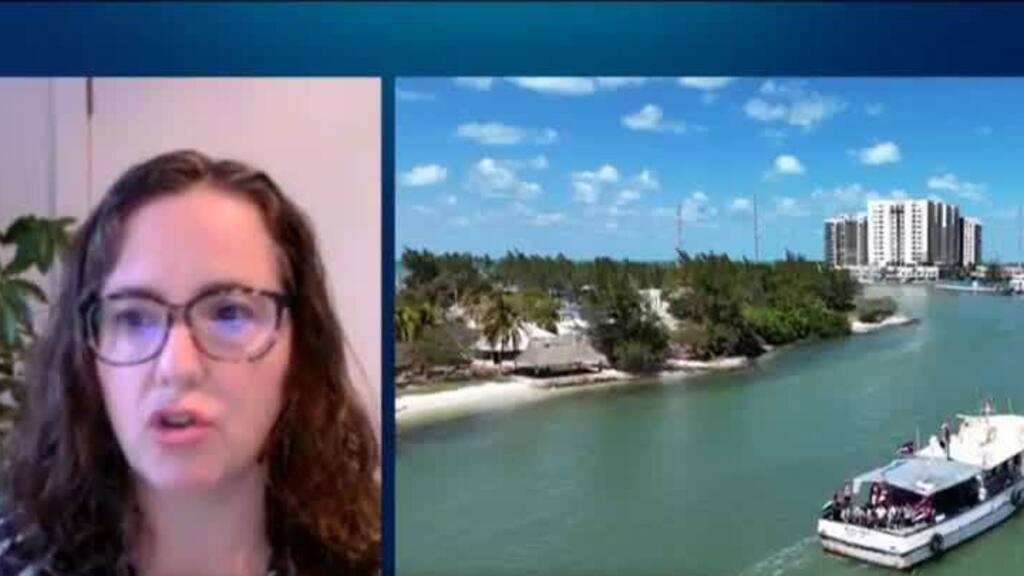
Helen Yaffe, a professor of Latin American political economy at the University of Glasgow, emphasized the gravity of the situation, questioning, "How long can any nation survive without oil?" She noted that Cuba has been under a US blockade since 1962, leading to recurrent fuel crises that exacerbate the current energy woes.
Despite these significant hurdles, Cuba has made strides in increasing its reliance on renewable energy sources. Solar power, for instance, now meets nearly half of the island's daytime electricity needs. However, the country still faces substantial limitations in energy storage capacity and a persistent lack of fuel for transportation, which further complicates its energy independence.
In response to the ongoing crises, Havana has expressed a willingness to engage in "a serious and responsible dialogue" with the United States. This openness suggests a potential pathway for addressing the complex issues contributing to Cuba's energy instability and the broader humanitarian impact of the blackouts.