


Top things to know
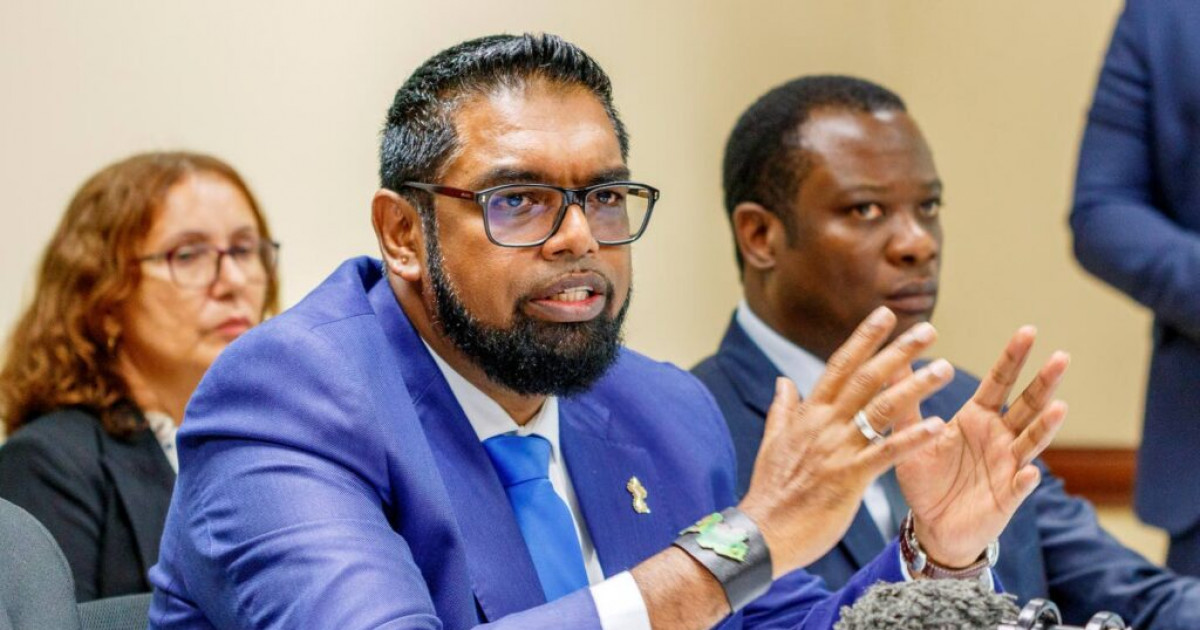
- Guyana's President Irfaan Ali called for a serious review of the death penalty after the body of a six-year-old child was found near a canal in Bath Settlement, Berbice on Tuesday.
- Ali said he has asked Attorney General Anil Nandlall to examine the issue, arguing certain crimes demand a stronger response from the justice system.
- Police said Bharrat Jaikarran, the child's father, is the prime suspect and remains in custody; surveillance footage showed him travelling towards the canal with what appeared to be his son before returning without him.
- Asked whether the death penalty was the stronger measure required, Ali responded: "One hundred per cent."
- Ali acknowledged human rights considerations around capital punishment but said the country must confront how best to respond to crimes that shock the conscience of the nation.
GEORGETOWN, Guyana — Guyana's President Irfaan Ali has called for a serious review of the death penalty as a possible response to heinous crimes after the body of a six-year-old child was found near a canal on Tuesday, the Caribbean Media Corporation reported.
Ali said he has already asked Attorney General Anil Nandlall to examine the issue, arguing that certain crimes demand a stronger response from the justice system. The child's body was found among other debris near the canal by the sea dam in Bath Settlement, Berbice.
Police said Bharrat Jaikarran, the father of the six-year-old, is the prime suspect and remains in custody. According to police, the body was found after investigators obtained information including additional surveillance footage showing the child's father travelling on a motorcycle towards the canal with what appeared to be his son before returning later without him.
"No, it's atrocious. You know, as president, you have to deal with many things. But what took place there is not only heinous; you can't be human," Ali said.
The incident, along with other crimes of an extreme nature, has prompted Ali to consider whether existing penalties are sufficient to deter such acts and convey the seriousness with which society views them. While acknowledging the human rights considerations surrounding capital punishment, the head of state maintained that the country must confront the question of how best to respond to crimes that shock the conscience of the nation.
"I believe that, you know, we really need to look at this," he said, stressing that the judicial process must take its course. But he said once justice has been served, the country should consider whether more severe penalties are warranted in the most extreme cases.
Asked directly whether he believed the death penalty was the stronger measure required, Ali responded emphatically: "One hundred per cent."
The Guyanese leader's call for a review places the question of capital punishment back on the national agenda, with the attorney general now tasked with examining the legal and human-rights implications of any change. The police investigation into the child's death continues, with the prime suspect in custody.