


Top things to know
- The Westmoreland Public Health Department is encouraging Jamaicans to get the influenza vaccine, available free at public health centres and hospitals.
- Jamaica is in the height of its annual flu season, which normally runs from October to March and may continue to May.
- Gerald Miller, Health Promotion and Education Officer for Westmoreland, said vaccination reduces infection severity, prevents complications and minimises spread.
- Priority groups for the free vaccine include pregnant women, children six months and older with chronic illnesses, healthcare workers, people 65 and older with chronic conditions, institutionalised individuals and frontline essential workers.
- Other citizens can obtain the vaccine privately at a cost.
- Miller advised high-risk individuals with flu-like symptoms to seek immediate medical attention and urged good respiratory hygiene.
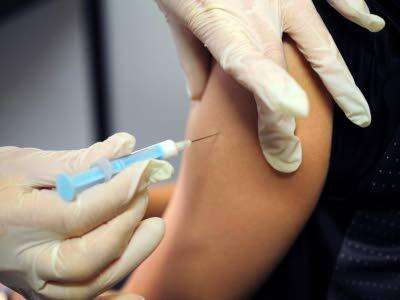
WESTMORELAND, Jamaica — The Westmoreland Public Health Department is encouraging Jamaicans to get the influenza (flu) vaccine, which is currently available free of cost at health centres and hospitals across the island.
The country is in the height of the annual flu season, which normally runs from October to March and may continue to May.
Health Promotion and Education Officer for Westmoreland, Gerald Miller, said vaccination remains a significant measure in reducing the severity of flu infections, preventing complications and minimising the spread of the virus.
Miller reiterated that the flu vaccine is available at public health centres and hospitals across the island for people in the designated priority groups. The groups include pregnant women, children six months and older with chronic illnesses, healthcare workers, people aged 65 and with chronic conditions, institutionalised individuals and front-line workers in essential services. Other citizens can get the vaccine privately at a cost.
“Flu vaccination is recommended annually, every flu season,” Miller emphasised.
He explained that the flu is an acute viral infection that affects the respiratory tract, including the nose, throat and lungs, and is very contagious. Symptoms of the virus include fever, chills, sore throats, muscle aches, fatigue, coughing, headaches, and a runny or stuffy nose.
Miller pointed out that while the flu generally gets better on its own in otherwise healthy people, it can cause serious complications among vulnerable groups.
“The flu can lead to severe illnesses such as pneumonia and blood infections and cause diarrhoea and seizures in children,” he cautioned.
He said that the flu can also compound medical conditions such as kidney, heart and lung diseases.
Miller also noted that the vaccine protects against various strains of the flu and reduces medical visits and absences from school or work.
He said that individuals in high-risk groups who develop flu-like symptoms should seek medical attention immediately.
Miller also implored residents to practise good respiratory hygiene, including covering their mouths and noses when they cough and sneeze to decrease the spread of the virus.