


Top things to know
- Donald Trump and Keir Starmer agree on the critical need to keep the Strait of Hormuz open.
- Treasury Secretary Scott Bessent debated the impact of Iranian oil sanctions on rising gas prices.
- The UK Foreign Secretary condemned recent Iranian actions in the Strait of Hormuz.
- Global leaders are united in their concern over Middle East tensions affecting global shipping and energy security.
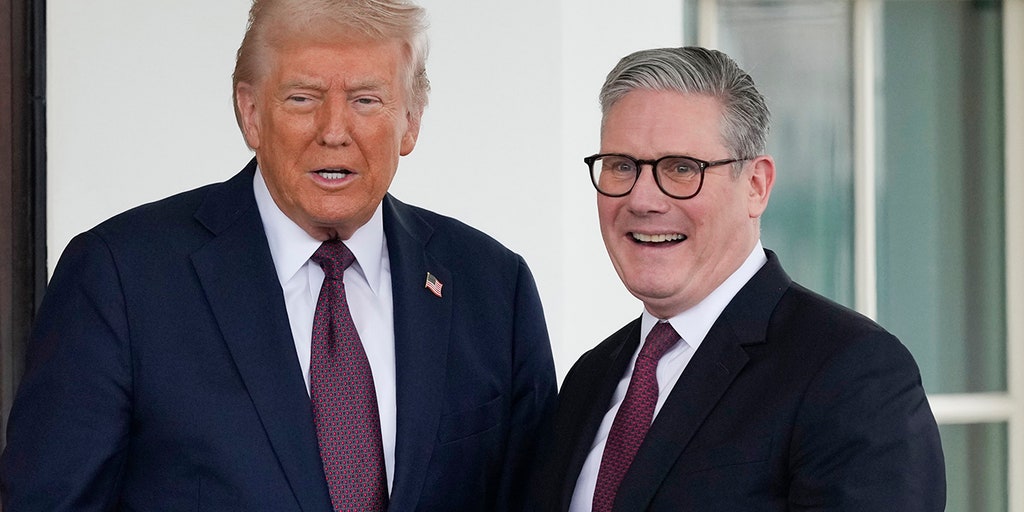
In a rare display of international consensus, former U.S. President Donald Trump and British Prime Minister Keir Starmer have jointly emphasized the critical need to maintain the free flow of shipping through the Strait of Hormuz. Their agreement comes amidst escalating tensions in the Middle East, which have significantly impacted global energy markets and raised concerns about economic stability worldwide. The Strait, a vital chokepoint for a substantial portion of the world's oil supply, has become a focal point for international diplomacy as nations grapple with the potential for further disruption.
The urgency of their shared stance is underscored by recent debates surrounding Iranian oil and its effect on global prices. Treasury Secretary Scott Bessent recently engaged in a heated exchange with NBC's Kristen Welker, defending the Treasury Department's actions regarding Iranian oil sanctions. Welker pressed Bessent on whether the lifting of certain sanctions contributed to the current surge in gas prices, highlighting the complex interplay between geopolitical strategy and economic consequences. Bessent, while acknowledging the impact of the conflict, pushed back against what he termed "terrible framing" of the issue, suggesting a more nuanced understanding of the factors at play.
This renewed focus on the Strait of Hormuz and Iranian oil is set against a backdrop of heightened regional instability. The UK Foreign Secretary has issued a strong statement condemning recent Iranian actions in the Strait, reiterating the international community's commitment to freedom of navigation. Similarly, former President Trump has taken to social media to advocate for robust leadership to safeguard global energy security, implicitly referencing the strategic waterway. These statements collectively highlight the severe implications of any impediment to shipping through this crucial maritime passage.
The international community's reaction has been one of growing concern, with leaders recognizing the potential for widespread economic fallout if the Strait of Hormuz were to be significantly disrupted. The agreement between Trump and Starmer, despite their differing political affiliations, signals a bipartisan and international recognition of the Strait's strategic importance. This consensus aims to project a united front against any actions that could jeopardize global trade and energy supplies.
Looking ahead, the continued stability of the Strait of Hormuz will remain a paramount concern for global leaders. The ongoing discussions surrounding Iranian oil sanctions and their impact on energy prices suggest that economic pressures will continue to influence diplomatic efforts. The international community will likely continue to monitor the situation closely, seeking to de-escalate tensions and ensure the unimpeded passage of vessels through this critical waterway to prevent further economic shocks and maintain global stability.