


Top things to know
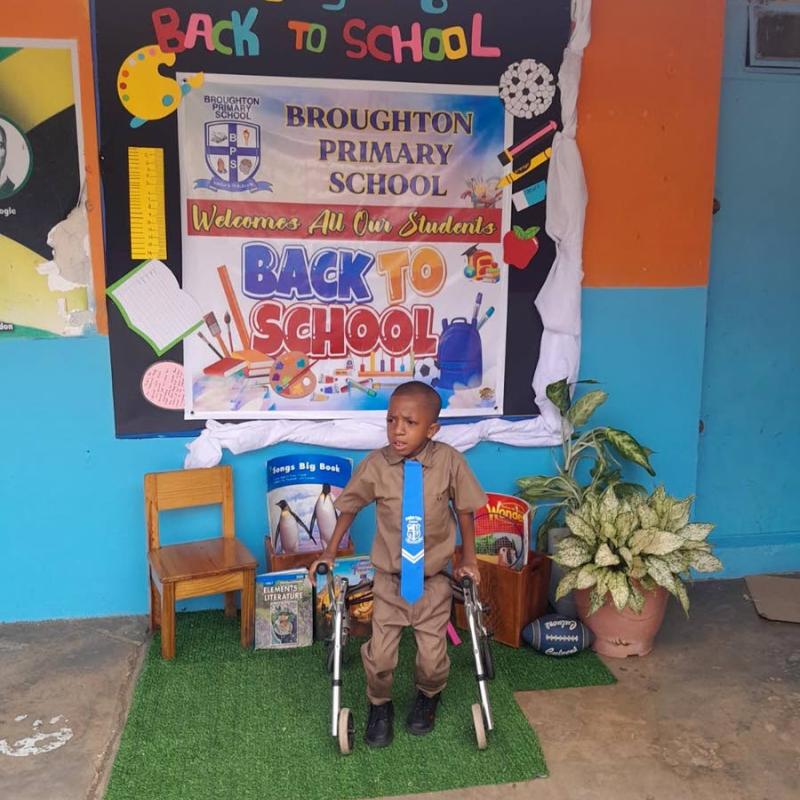
- Janice Tulloch Parkinson assists her seven-year-old son daily in his Jamaican classroom.
- She is not officially recognized as a "shadow" by the Ministry of Education, Skills, Youth and Information.
- The "shadow" role is typically reserved for trained personnel, not parents, according to Ministry regulations.
- Her situation highlights potential gaps in official support systems for children needing in-class assistance.
- The case raises questions about the Ministry's current policies regarding parental involvement in such roles.
Janice Tulloch Parkinson, a mother in Jamaica, dedicates her school days to assisting her seven-year-old son within his classroom. Despite her consistent presence and direct involvement in his education, Ms. Parkinson lacks official recognition as a "shadow" by the Ministry of Education, Skills, Youth and Information. This designation is typically reserved for trained professionals, not parents, raising questions about the Ministry's current regulations and the support structures available for children requiring in-class assistance.
The role of a "shadow" in the Jamaican education system is clearly defined and regulated, intended for personnel specifically trained to provide individualized support to students. Ms. Parkinson's situation underscores a potential disconnect between the formal requirements for such roles and the practical realities faced by families striving to ensure their children receive adequate educational support. Her daily commitment, while invaluable to her son, operates outside the Ministry's official framework, highlighting a grey area in the provision of special educational needs.
This scenario brings to light broader discussions within the Caribbean region regarding educational frameworks and support services. While a recent regional education conference in Kingston aimed to shape the future of learning across 27 countries, the specifics of in-class support for students with particular needs, especially when provided by family members, remain a critical area for examination. The absence of official recognition for parents like Ms. Parkinson could indicate a need for policy review to better integrate and acknowledge the crucial contributions of family members in supporting their children's learning journeys.
The Ministry's regulations, by limiting the "shadow" role to trained personnel, may inadvertently create barriers for parents who are willing and able to provide direct, consistent support. This situation prompts consideration of whether existing policies adequately address the diverse needs of students and the resources available within their immediate families. A re-evaluation could explore mechanisms to formally recognize, train, or integrate parents into the support system, ensuring that children receive comprehensive assistance while acknowledging the dedication of caregivers like Ms. Parkinson.