


Top things to know
- Brazilian President Lula da Silva criticized a "colonial approach" towards developing nations during a summit in Colombia.
- He cited the "disposal" of former Venezuelan leader Nicolás Maduro and the fuel blockade of Cuba as examples of interference.
- Lula drew parallels between US and Israeli actions against Iran and the Iraq War, questioning their justifications.
- He accused unspecified entities of seeking to re-colonize developing countries for their critical minerals and rare earth deposits.
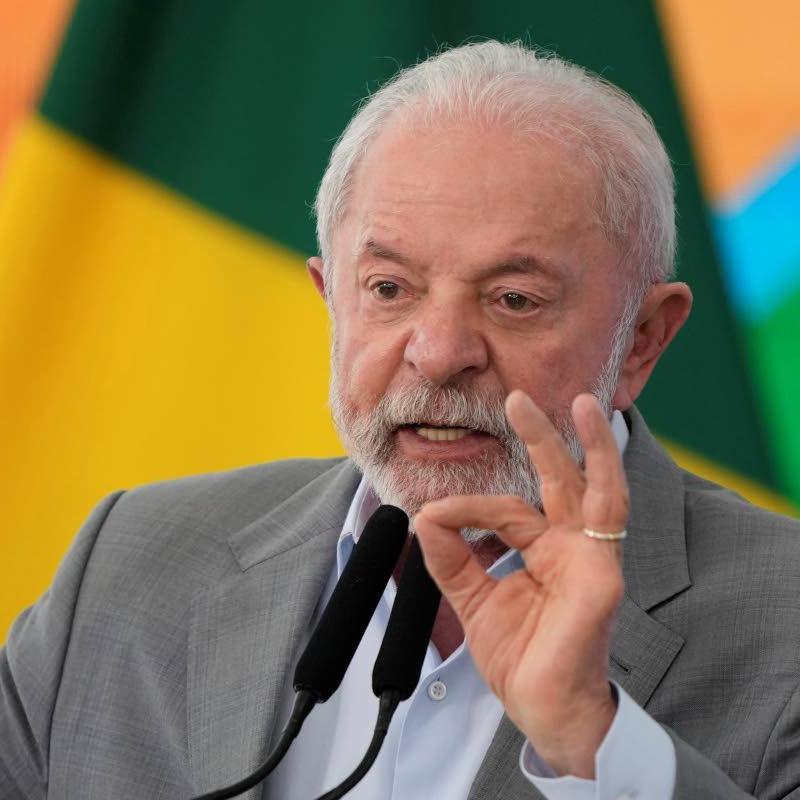
Brazilian President Luiz Inácio Lula da Silva has strongly criticized what he describes as a "colonial approach" being directed towards developing nations. Speaking at a summit in Colombia, President Lula highlighted instances he views as interference in the sovereignty of formerly colonized countries, citing the "disposal" of former Venezuelan leader Nicolás Maduro and the fuel blockade imposed on Cuba as prime examples of this concerning trend.
President Lula further broadened his critique by drawing parallels between the actions of the United States and Israel against Iran and the historical context of the Iraq War. He questioned the justifications provided for these conflicts, suggesting a pattern of intervention that undermines the autonomy of developing states. His remarks underscore a growing sentiment among some global leaders regarding the perceived resurgence of imperialistic tendencies in international relations.
During his address, President Lula also voiced concerns that unspecified entities are actively seeking to re-colonize developing countries. He posited that this renewed interest is driven by a desire to exploit these nations for their critical minerals and rare earth deposits, essential resources in the modern global economy. This assertion suggests an economic motivation behind what he characterizes as a colonial strategy.
The Brazilian leader's statements resonate with broader discussions about resource control and national sovereignty in the Caribbean and Latin American regions. The call for a regional strategic oil reserve, as previously suggested by the Caribbean Research Group (CRG), indicates a regional awareness of the need for greater self-sufficiency and protection against external pressures. Lula's comments serve as a significant contribution to the ongoing dialogue about equitable international relations and the prevention of neocolonial practices.