


Top things to know
- Prime Minister Andrew Holness directed the JCF to intensify intelligence-led operations against gangs after a deadly shootout in Five Miles, Sligoville, St Catherine.
- Corporal Trevoy Shaw, Constable Devoney Rose, and civilians Errol Hussey, Malique Hussey and Javoun Cogle were killed; a 10-year-old girl was shot and injured.
- Holness called gang members 'parasites and pestilence' and rejected poverty or social injustice as justification for criminal violence.
- The National Security Council is scheduled to review the situation this week.
- A Carib News editorial argued policing alone cannot solve Jamaica's crime problem and proposed a national commission for reconciliation and community renewal.
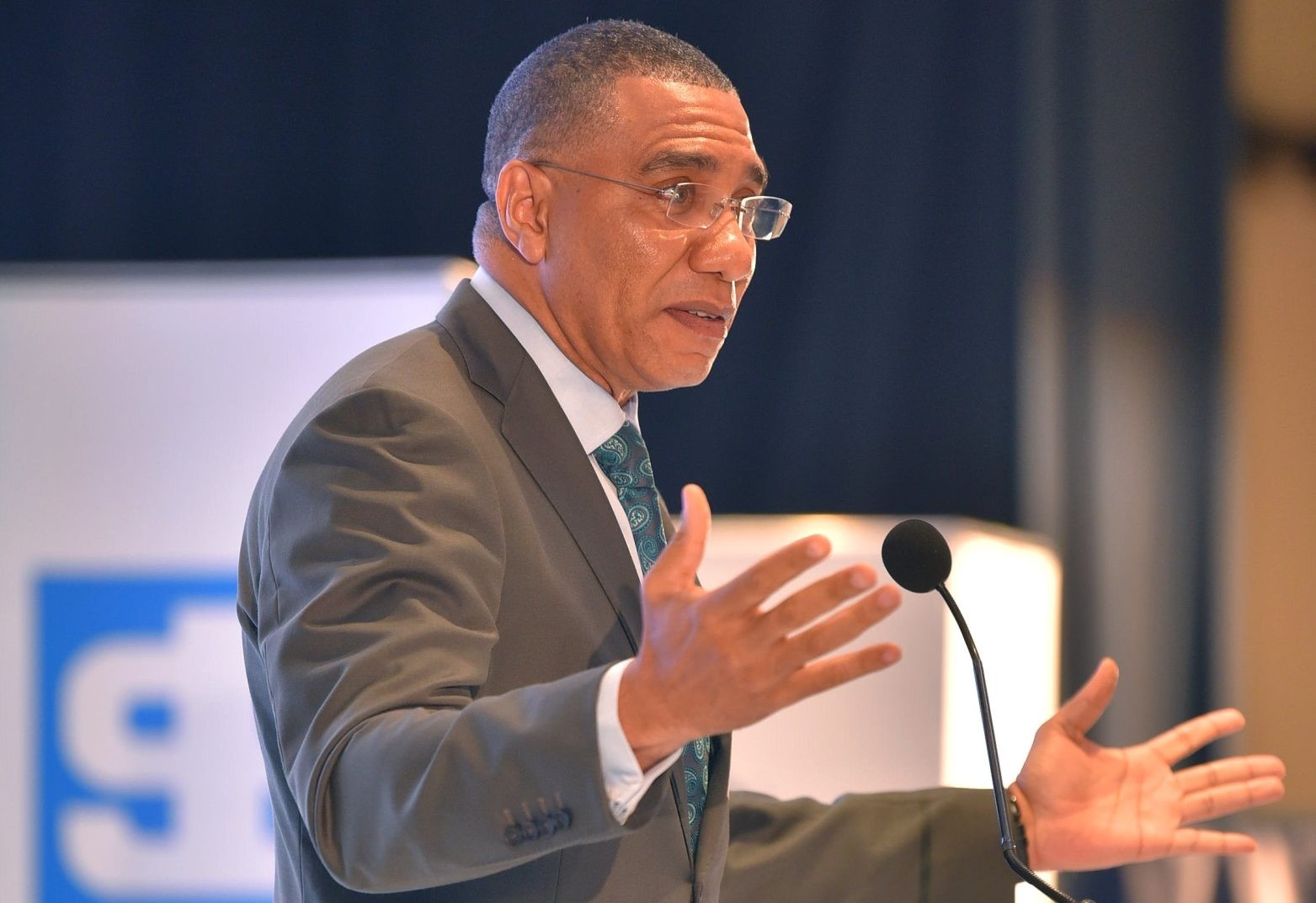
Prime Minister Dr Andrew Holness has directed the Jamaica Constabulary Force to intensify intelligence-led operations against criminal gangs, their leaders and anyone who supports organised violence, following a deadly confrontation in St Catherine that left two police officers and three civilians dead.
Holness issued the directive after being briefed by Police Commissioner Dr Kevin Blake on the incident in Five Miles, near Sligoville, St Catherine. The confrontation claimed the lives of Corporal Trevoy Shaw and Constable Devoney Rose, along with civilians Errol Hussey, his son Malique Hussey and nephew Javoun Cogle. A 10-year-old girl was shot and injured and remains hospitalised.
The prime minister said preliminary accounts pointed to a disturbing level of planning and coordination, including diversionary gunfire and prearranged transport. "We must uncover and dismantle every person, every network, every resource, every facilitator who enabled this violence," Holness said. He instructed Blake to accelerate operations targeting wanted men and gang leaders, stating: "The policy direction is that you should intensify the operations that you have planned to target the criminals, the gang leaders, those who you have been pursuing with intelligence."
Holness rejected arguments that poverty, social exclusion or injustice could justify criminal violence. "They are not protectors; they are not justified by poverty, exclusion, or social injustice. They are not freedom fighters, they are not Robin Hoods, they are not rebels or misunderstood victims. They are parasites and pestilence upon our society," he declared. He warned that those who shelter, finance or arm criminal groups would also face scrutiny, adding: "They must be identified, disarmed, arrested, prosecuted, and removed from our communities through the full force and uncompromising force of the law."
The prime minister described the St Catherine incident as a potential turning point in the fight against organised criminal violence, saying the authorities must confront the threat while upholding civility and the rule of law. He announced that the National Security Council would review the situation at its scheduled meeting this week, and ended his warning to gunmen with the phrase, "Tek weh unnuself!"
In a separate editorial, Carib News argued that while decisive action against violent criminal activity is necessary, Jamaica's crime problem is far more complex than a confrontation between police and gangs. The editorial noted that the Independent Commission of Investigations reported 311 people fatally shot by security forces in 2025 and another 237 fatal shootings involving security forces by October 16, 2026, figures it said do not by themselves establish unlawful conduct but reinforce the importance of independent investigation and accountability. It called for a broader national strategy addressing the social and historical roots of violence, proposing a National Commission for Reconciliation, Redemption and Community Renewal.