


Top things to know
- COP31 runs from November 9 to 20, 2026, in Antalya, Turkey, co-hosted by Turkey and Australia and gathering 195 nations.
- Turkey's presidency is promoting a voluntary "35 by 35" goal to raise electricity's share of global final energy consumption to at least 35 percent by 2035, from about 20 percent now.
- Developing countries are seeking US$305 billion a year by 2035 for climate action, while an EU official said there is no political will for extra commitments.
- UN Secretary-General António Guterres called on leaders to "rise to the occasion" as an exceptional El Niño collides with a planet already overheated by human activity.
- African negotiators are prioritising adaptation finance, the energy transition, affordable energy, trade and coastal resilience.
- Critics and experts are calling for reform of the annual COP format, which they say has become too large, too slow and too commercial.
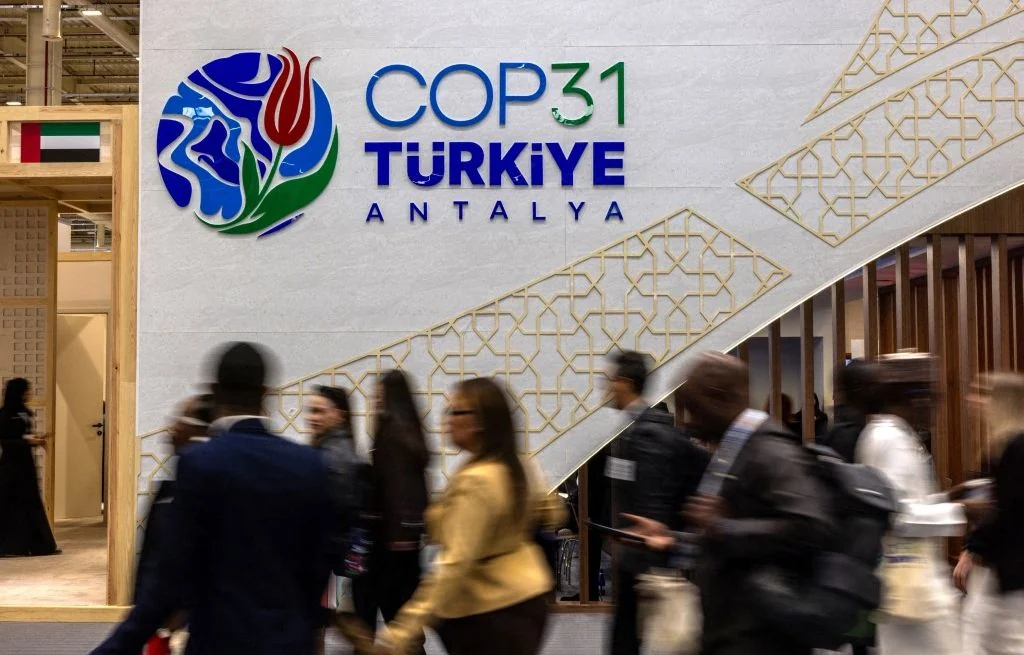
The 31st Conference of the Parties to the United Nations Framework Convention on Climate Change opened in Antalya, Turkey, on Monday and runs until November 20, co-hosted by Turkey and Australia. The summit convenes 195 nations amid geopolitical tensions, a global energy crisis and a growing debate over whether the annual COP format itself is fit for purpose.
Turkey has made electrification the centrepiece of its presidency, promoting a voluntary global pledge known as "35 by 35" to raise electricity's share of world final energy consumption to at least 35 percent by 2035, from roughly one-fifth today. Turkish Environment Minister Murat Kurum, who presides over COP31, said the energy crisis had shown that imported energy is energy a country does not control, and that electrification protects populations from volatile global markets while cutting emissions. He said he wants the summit to "inaugurate the era of electricity." Critics note the pledge is non-binding and does not require the additional electricity to come from low-carbon sources; Turkey itself generates about a third of its power from coal, and the European Union wants the talks to specify "clean" electricity. Emel Turker Alpay, energy campaigner at Greenpeace Turkey, said electrification should above all end dependence on fossil fuels.
Finance remains the most contentious item. Developing countries are asking for US$305 billion a year by 2035, nearly ten times what they currently receive from wealthy nations, while an EU official said there was "no political will" for additional financial commitments from the bloc, the world's largest climate-finance contributor. UN Secretary-General António Guterres called on leaders to "rise to the occasion" by cutting emissions faster, accelerating a just transition away from fossil fuels and delivering finance and protection to vulnerable countries. He warned that an exceptional El Niño is "colliding" with a planet already overheated by human-caused climate change. A UN Environment Programme report cited in coverage found that even a tripling of adaptation finance by 2035, adjusted for inflation, would cover only 20 to 29 percent of adaptation needs.
For African negotiators, the priorities are adaptation finance, the energy transition, affordable energy access, trade and coastal resilience. The African Group of Negotiators wants the talks to focus on delivering the goal of tripling adaptation finance by 2035 and on the role of the Green Climate Fund. Ahmed Sékou Diallo, president of Mali's climate platform, said Africa's main interest is "a massive increase in financing, particularly for adaptation and loss and damage"; Mali is defending a national plan to cut emissions by 25.22 percent by 2035, which he called ambitious but achievable "with good financing." Transport, the theme of the second day, accounts for a quarter of global greenhouse-gas emissions and 31 percent of Africa's CO2 emissions, with more than 70 percent of the continent's refined fuel demand met by imports. Mohamed Mezghani, secretary-general of the International Association of Public Transport, said sufficient electricity and charging infrastructure remain obstacles, citing summer power cuts in Tunisia, and argued for shifting trips toward walking, cycling and public transport.
The summit's usefulness is itself under scrutiny. Several outlets reported that the conference is opening in relative indifference and that academics, former leaders and experts are pressing for reform, arguing the annual meetings have become too large, too slow and too much like trade fairs. Turkey is also promoting a Zero Waste initiative led by Emine Erdogan to cut methane emissions from waste, though Greenpeace's Alpay said the focus is on managing waste after it is produced rather than preventing it at source, and noted Turkey has not joined the global methane pledge and continues to import plastic waste.